SpaceX satellites are falling from the sky every day: growing congestion in low Earth orbit
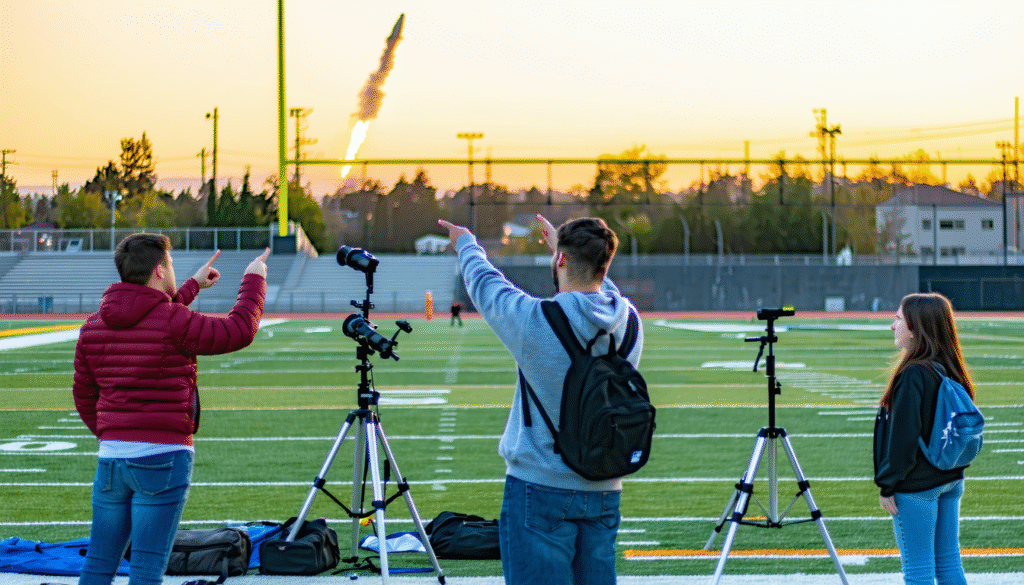
- Low Earth orbit is getting crowded and daily Starlink reentries are now routine, with astronomers tracking 1 to 2 satellites falling per day and forecasts pointing higher.
- Orbital congestion raises the odds of satellite collisions, pushes up space traffic workload, and pressures rules on space sustainability.
- SpaceX designs most satellites to burn up, yet the sheer volume sparks questions about space debris, air safety, and impacts on earth observation and astronomy.
- New entrants and upgrades – Starlink V3, Falcon 9 cadence, and rivals – keep adding to orbital overcrowding, so smarter coordination is not optional.
- Practical fixes exist: tighter lifetime limits, better tracking, and shared standards so that low Earth orbit stays useful for decades.
Sparks over the horizon are not always meteors. If you have ever seen a slow, glowing train cross the night sky and then fade, you might have watched a Starlink satellite break up on reentry. I have seen it once with my daughter, and we both went quiet. It is beautiful and a little unsettling. Astronomers say the rate is now steady – roughly one to two fall daily – and likely to rise as older units reach retirement. That figure lines up with open tracking feeds and independent logs kept by careful watchers.
French coverage ties the trend to a push for shorter service lives and faster end of life. One report notes up to five Starlink deorbits per day as a near term ceiling, which would match the growing size of the network.
Media following launch cadence add the other half of the story – new batches keep arriving. As one outlet put it, SpaceX literally burns satellites in the atmosphere every day, while putting more in orbit every week. That treadmill is the heart of the debate about the future of low Earth orbit.
Why Starlink satellites fall every day – the reentry pipeline explained
I keep a notebook of launch and reentry times – a habit I picked up when my friend Lina, a nurse on rural night shifts, started texting me videos of glowing streaks. Her clips match what researchers report. An astronomer told EarthSky that he is logging a daily average now, and a Canadian outlet summarized it cleanly: one to two Starlink satellites leave orbit per day. The reason is not a mystery. Starlink units are built for short lifetimes, then they self lower and burn.
Tracking dashboards show the curve rising. Analysts who chart reentries expect a short climb to several per day as more five year units reach the end. A French tech brief even warned that repeated reentries could affect network capacity if too many retire before replacements arrive. That is a business risk, not just a spectacle in the sky.
For context, the NASA Orbital Debris Office explains that most small satellites in low orbits burn up. Survival risk is low if operators follow guidelines, keep masses modest, and lower altitude before death. The rule of thumb is simple – the lower you fly, the faster drag takes you down, and the safer the reentry.
Fleet size matters too. Launch statistics show thousands of Starlink craft have flown, with counts rising season after season. A quick look at Statista’s satellite tallies makes the scale real. When you multiply a normal failure rate by a huge fleet, daily retirements feel inevitable.
Plenty of readers ask the same thing Lina asked me: could a fragment hit a roof or a person? French weather media covered that fear in plain language and asked should you fear a fall in France. Statistically, the chance is tiny, though not zero. Design choices aim to keep it tiny.
| Metric | Typical value | What drives it |
|---|---|---|
| Daily Starlink reentries | 1 – 2 now, up to ~5 forecast | Fleet size, 5 year lifetimes, drag |
| Median design lifetime | ~5 years | Upgrades cycle, hardware aging |
| Reentry survival mass | Near zero for most parts | Materials, breakup design, altitude |
| Orbit lowering time | Weeks to months | Propellant margin, solar activity |
What daily reentry looks like from the ground
On clear nights you might see a slow, bright line that breaks up into sparks. It is quieter than people think, often mistaken for a meteor. If you film it and slow the clip down, you can watch fragments shedding and fading. That is the plan in action: design to break apart, burn up, and not reach the ground.

Orbital congestion in low Earth orbit – how close calls become collisions
Let me switch to the view from space traffic desks. Operators juggle hundreds of planned maneuvers each week. That load grows because orbital congestion in low Earth orbit is real and measurable. The ESA Space Debris Office tracks conjunctions where two objects pass within a safety box. The curve points up as fleets grow.
The lights in the sky are the end state. The harder problem sits earlier – preventing satellite collisions. Models that describe runaway debris growth get quoted a lot. You do not need deep math to get the point. If density keeps rising and some dead craft cannot dodge, risk compounds. That is how fragments multiply and turn into long lived space debris.
Rules are tightening. In the United States, the regulator set shorter cleanup windows for new satellites. See the FCC debris mitigation decision that pushed for quicker disposal of old craft. Shorter lifetimes help, but they also feed the daily reentry pipeline. It is a trade few people talk about plainly.
Launch cadence matters. Trade media in Australia recently highlighted another uplift as SpaceX launched a fresh batch of Starlink satellites that improved coverage. Good for users, and one more nudge for space traffic teams who schedule avoidance maneuvers.
- Reduce conjunctions by spreading shells and adding keep out zones around dead craft.
- Share ephemeris in machine readable form so cross operator tools agree.
- Automate dodges with clear priority rules when two active satellites need the same lane.
- Retire faster from crowded altitudes to cut drift time for failed units.
- Audit health so stuck antennas or battery issues do not turn a satellite into a rock.
| Altitude shell | Traffic density | Typical risk factor | Mitigation focus |
|---|---|---|---|
| 300 – 400 km | High during deorbit | Short notice conjunctions | Rapid tracking updates |
| 500 – 600 km | Very high for megaconstellations | Cross shell traffic | Coordinated slots |
| 700 – 900 km | Legacy debris heavy | Long lived fragments | Active removal |
Can we keep the sky safe for everyone?
Space is big, but useful lanes are not. The fix is boring and solid: better sharing, constant updates, and common playbooks. When operators agree on who moves first and how fast they share new trajectories, the sky gets safer for all of us.
What actually burns up – safety, environment, and the debris question
Most readers want a straight take on safety. The engineers make reentry survivability the main design target. NASA’s rule set says less than one in ten thousand chance of a casualty for any planned reentry. You can see the thinking in the NASA Orbital Debris Office briefings. Break up early, keep dense parts small, and fly lower so heat does the rest.
Now the environment angle. The burn up generates vapor and small particles. The debate centers on aluminum oxides and how they interact with the upper atmosphere. Data is still being gathered in campaigns by agencies and universities. That is why some scientists press for caps in busy shells until we have a clearer picture.
French coverage captures the tone of worry. One magazine framed the pattern as daily falls that add up over time. See this summary where scientists are worried by the pace and scale of reentries. It is not panic. It is a call for careful monitoring and sensible limits.
Others lean into the human side. A tech site asked readers if they should be afraid of space junk hitting them, then walked through the math with calm humor. The point stands – the chance is tiny. If you want a quick reality check, read this piece on the risk of getting hit. It is not zero, but it is far from your top daily risk.
Australian analysts also flagged longer term concerns, asking how many daily reentries the atmosphere can absorb by the 2030s. Their explainer about Starlink satellites dangers 2035 turns this into a planning question, not a scare story. That is the right way to look at it.
| Component | Nominal outcome | Design tactic | Residual risk |
|---|---|---|---|
| Solar arrays | Complete ablation | Thin panels, low melting point | Minimal |
| Antenna dishes | Breakup and burn | Composite materials | Minimal |
| Reaction wheels | Mostly burn | Size constraints | Very low |
| Fuel tanks | Venting then burn | Passivation valves | Very low |
What you should watch if a reentry crosses your town
Look for a slow, bright path that fragments. It will not roar or crash. It fades out long before the horizon. If you are filming, keep the camera steady and note your location – that helps researchers who study reentries and model breakup patterns.

How daily reentries and bright trains affect earth observation, astronomy, and users
Now think about the people who rely on satellites from below. Earth observation teams map fires, floods, and crops. Streaks from low satellites can spoil images at certain angles. Companies adjust exposure and timing, but it is another constraint pushed by orbital overcrowding. For users at home, daily reentries do not cut your service, though the network needs careful planning to swap old units with new ones. If you want a simple primer on the service itself, this overview of Starlink satellite internet is a clear start.
Astronomers see more than a nuisance. Long exposure images of faint galaxies can be ruined by bright streaks, and even shorter exposures pick up flares. French tech media underlined that these satellites are designed for five years of service, which means the turnover rate keeps the sky active – and bright. Filters help, but planning windows shrink.
Network managers have their own headache. A coding forum in French warned that daily retirements could affect network capacity if replacements lag. It is a supply chain story in space: launches, spares, and timing.
Competition shapes behavior too. Amazon’s Kuiper is moving into Europe, and that means more craft sharing the same lanes. A readable briefing lays it out – Amazon challenges Starlink in Europe – and adds one more incentive to fix space traffic coordination so everyone can operate safely.
| Stakeholder | Main impact | Workaround | Residual concern |
|---|---|---|---|
| Earth observation scientists | Image streaks, scheduling limits | Timing windows, de streaking software | Lost data in crisis events |
| Astronomers | Brightness, trail contamination | Filters, predictive masks | Faint target loss |
| Home users | Seamless handover needed | Spare capacity, phased swaps | Short, local slowdowns |
What about radio interference and weather?
Radio astronomers and rural users sometimes share a fence line. The first needs quiet bands, the second needs uptime for work and school. Operators coordinate exclusion zones around telescopes, and users learn the basics. If you are curious about a practical daily factor, check this clear answer to does weather affect Starlink speeds. Rain and snow can dent speeds, but living with it is doable.
Rules, fixes, and what SpaceX – and its rivals – should do next
I once sat in on a call where two operators argued over who should move first. It came down to a few seconds of predicted miss distance. They solved it, but it left a mark. We need better norms so that argument never starts. UNOOSA keeps the official object registry that underpins shared data, and you can see the value in the Space Objects Register. The more accurate the data, the fewer wrong way dodges.
National rules help too. The FCC five year deorbit push nudged operators to fly lower and clean up faster. That is good for space sustainability, yet it adds to the daily reentry drumbeat. Balancing both sides needs honest modeling of traffic, debris creation, and burn up effects.
On the industry side, upgrade cycles can lower risk. Starlink’s next hardware step, often called Starlink V3, aims at better performance per satellite. Fewer, more capable craft means fewer bodies in the same lane. Pair that with tighter coordination at launch windows to avoid hot spots.
Launch cadence is part of the toolbox. Reports note frequent Falcon 9 launch cycles to refresh the mesh. That keeps service strong and lets operators retire older units before they misbehave.
Markets keep expanding. Trade coverage points to new satellite internet deals and more launches across providers. Every new player needs to sign up for the same playbook: publish precise orbits, flag anomalies fast, and clear dead birds out of busy shells.
For users, setup and support matters. If you are installing at home, a practical installation guide helps you aim and mount safely. If you need quick answers, the FAQ pages cover common hiccups. Those customer touches reduce churn and let network teams focus on the sky.
| Action | Who leads | Benefit | Trade off |
|---|---|---|---|
| Shorter design lifetimes | Operators | Fewer dead satellites drifting | More frequent reentries |
| Shared maneuver rules | Industry coalition | Faster, safer dodges | Less freedom to improvise |
| Active debris removal demos | Agencies and startups | Lower long term risk | Costly and complex |
| Brightness caps and coatings | Manufacturers | Friendlier sky for astronomy | Thermal and cost impacts |
What should regulators ask for next?
Ask for quarterly health reports, post outgassing events fast, and publish end of life plans with dates. Tighten failure reporting so a stuck motor or dying battery is known within hours. And make the norms global so SpaceX and rivals play the same game.
Reality check – daily burns, public worry, and staying honest about risk
Media outlets have kept pressure on the conversation. One French piece bluntly said SpaceX burns satellites in the atmosphere every day, then asked fair questions about long term effects. Another survey in France was even more direct, calling the pace an alarming rhythm. I read both as a parent, not just a space nerd, and I appreciate the plain talk.
At the same time, panic does not match the numbers. The French outlet Slate weighed the danger narrative against physics and design limits, treating the topic of pollution and concern with the nuance it deserves. That middle lane – not dismissive, not alarmist – is where policy should live.
Want a quick status snapshot in English and French media? This concise note in a consumer tech magazine explained that one to two satellites fall every day and that the units are built for short service. That is the core fact that ties all of this together.
And yes, images of glowing trains will keep trending. Weather sites even use them to teach skywatching, like the French page that asked if people should worry in their region. That plain question keeps the discussion grounded and practical, a helpful counter to hype.
| Concern | What people fear | What data shows | What to watch next |
|---|---|---|---|
| Falling debris | Getting hit | Tiny casualty risk by design | Volume of daily reentries |
| Collisions in orbit | Runaway debris growth | Rising conjunctions, manageable with rules | Adoption of common dodge playbooks |
| Service quality | Dropouts during swaps | Mostly seamless handovers | Spare capacity planning |
A quick word for users and backyard observers
Keep watching the sky. It teaches patience and scale. If you spot a reentry, share the time and place with your local astronomy club. If you are a new user, set up your dish well, and learn what weather does to it. And stay curious – the story of space is ours to write with care.
Are daily Starlink reentries dangerous for people on the ground?
Risk to people is extremely low. Starlink units are designed to break apart and burn up fully. Regulators require casualty risk to stay below strict thresholds, and the hardware is built to meet them.
Why are more satellites coming down now?
The fleet is larger and many units reach planned end of life at around five years. Operators then lower their orbits so drag brings them down to burn in the atmosphere.
Does orbital congestion increase collision risk?
Yes. More objects mean more close passes. Better tracking, faster data sharing, and clear maneuver rules keep risk manageable and avoid fragment producing crashes.
Will this hurt earth observation and astronomy long term?
It adds challenges. Schedulers avoid streaks and apply software fixes, and manufacturers are dimming satellites. The goal is to keep vital science going while networks expand responsibly.
Where can I follow launch and service updates?
News sites and operator pages post frequent updates. For service basics and practical tips, see resources like installation guides and FAQs from trusted providers.